Taste vs. Trend
Why timeless feels calmer than “current”
There is a particular kind of pressure that comes with decorating a home right now. Open Instagram or Pinterest and suddenly the kitchen you loved three years ago feels dated. The paint color everyone was using has been replaced by another one. The furniture silhouette changes. The metal finish changes. The wood tone changes. Before long, we aren’t asking ourselves, Do I love this? Instead, we’re asking, Is this still in?
Those are two very different questions.
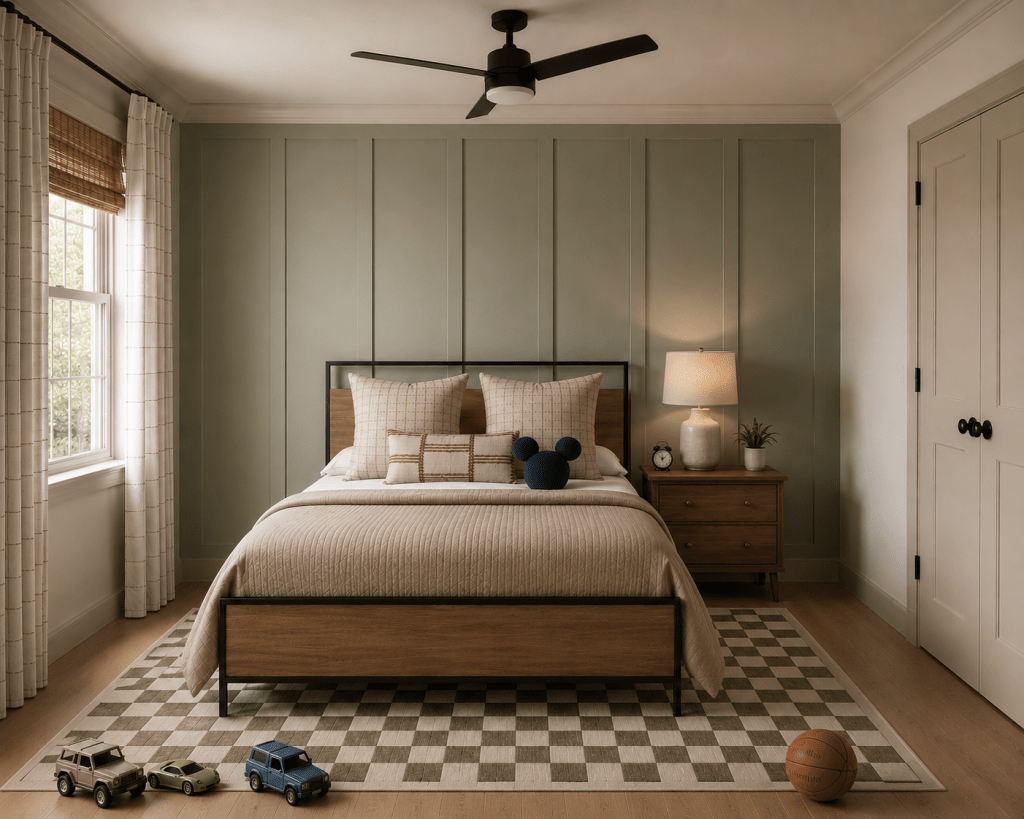
Trend tells us what to like. Taste tells us what feels like us.
Trends aren’t inherently bad. I actually think they can be useful. They introduce us to ideas we might not have considered and give us permission to experiment with something different. The problem comes when trend becomes the primary decision-maker in our homes.
When we choose something because we’re seeing it everywhere rather than because we genuinely love it, there is almost always an expiration date attached to that decision. Eventually the internet moves on, and suddenly we’re looking around wondering whether we should, too.
On the other hand, taste works differently.
Taste develops slowly. It’s the accumulation of things you’ve noticed, places you’ve loved, colors you’re continually drawn toward, materials that feel good to you and pieces you would choose even if no one else ever saw them. And because of that, taste tends to age much more gracefully than trend. It’s meaningful.
Timeless doesn’t mean boring.
Sometimes “timeless” gets interpreted as safe: neutral walls, classic furniture, nothing particularly unexpected. For me, that’s not what timeless means at all. A timeless home can have color. Pattern. Antiques. Modern pieces. Art that makes absolutely no sense to anyone except the person who bought it. What makes it timeless is discernment.
It’s knowing the difference between something you love because you’re seeing it everywhere and something you’re seeing everywhere that happens to be something you love. That distinction matters. One asks you to follow along and the other asks you to pay attention to yourself. If you’ve ever found yourself in a store and you felt like something was speaking to you, lean into that.
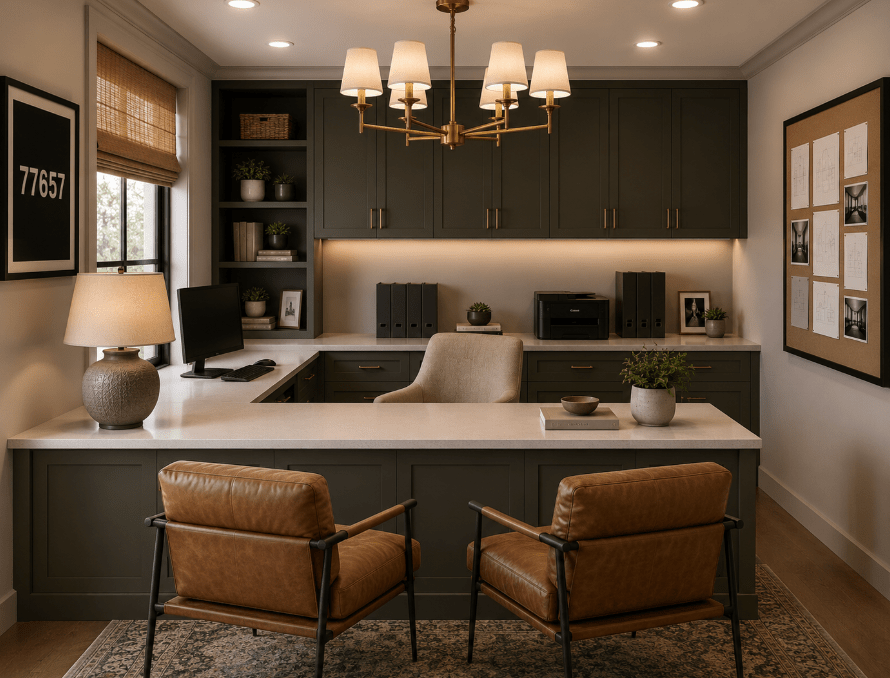
Your home doesn’t need to prove that you know what’s current.
This might be one of the most freeing things we can remember about our homes: they aren’t portfolios of our ability to keep up!
We don’t need to replace something perfectly beautiful because the design world has declared another version more desirable. Your warm wood floors don’t suddenly become wrong when lighter oak becomes popular. Your traditional furniture doesn’t lose its value when cleaner silhouettes take over your feed. And the color you’ve loved for ten years doesn’t become less beautiful because another one was named Color of the Year. There is a quiet confidence in keeping something simply because you still love it. I think that’s part of why truly personal homes often feel calmer. Nothing in the room is trying very hard.
Longevity begins with intuition.
When I’m making design decisions, one of the questions I come back to is: Will this still feel right when we’re no longer seeing it everywhere? Not, Will this still be trendy?
That’s impossible to predict, and really, I don’t think it’s particularly important. Instead, I look for materials that age well. Shapes that have existed in some form for decades. Colors that relate naturally to the home and the people living there. Pieces that can survive a change in styling around them. Then I leave room for intuition.
The goal isn’t a timeless look. It’s a home with staying power.
Maybe that’s the distinction I’ve come to appreciate most. Trying to create a “timeless home” can become its own trend if we’re not careful. Suddenly we’re following another formula, only this one promises we’ll never have to change anything. Homes aren’t supposed to remain frozen. Families change, we collect things, furniture moves, children grow, pets come into our lives, and so on. Our needs shift. Our taste becomes more refined because we’ve lived long enough to understand what we actually like.
A home with longevity can evolve without constantly starting over, and that’s what I want for the spaces I design. It’s not a room that can be dated to the year it was completed or a room built entirely around what the algorithm currently loves. It’s a room that feels layered enough to evolve, personal enough to belong to the people who live there, and considered enough that no one feels the need to replace it the moment something new comes along.
The best homes are the ones where you walk in and somehow think: Of course they live here.
— Kristin

Leave a comment