
Seasons of Life: When your home needs to change because your life has
One of the most common things I hear from clients isn’t that they dislike their home. Instead, they often say it’s that it no longer works the way it used to. In other words, the house itself may not have changed, but life has.
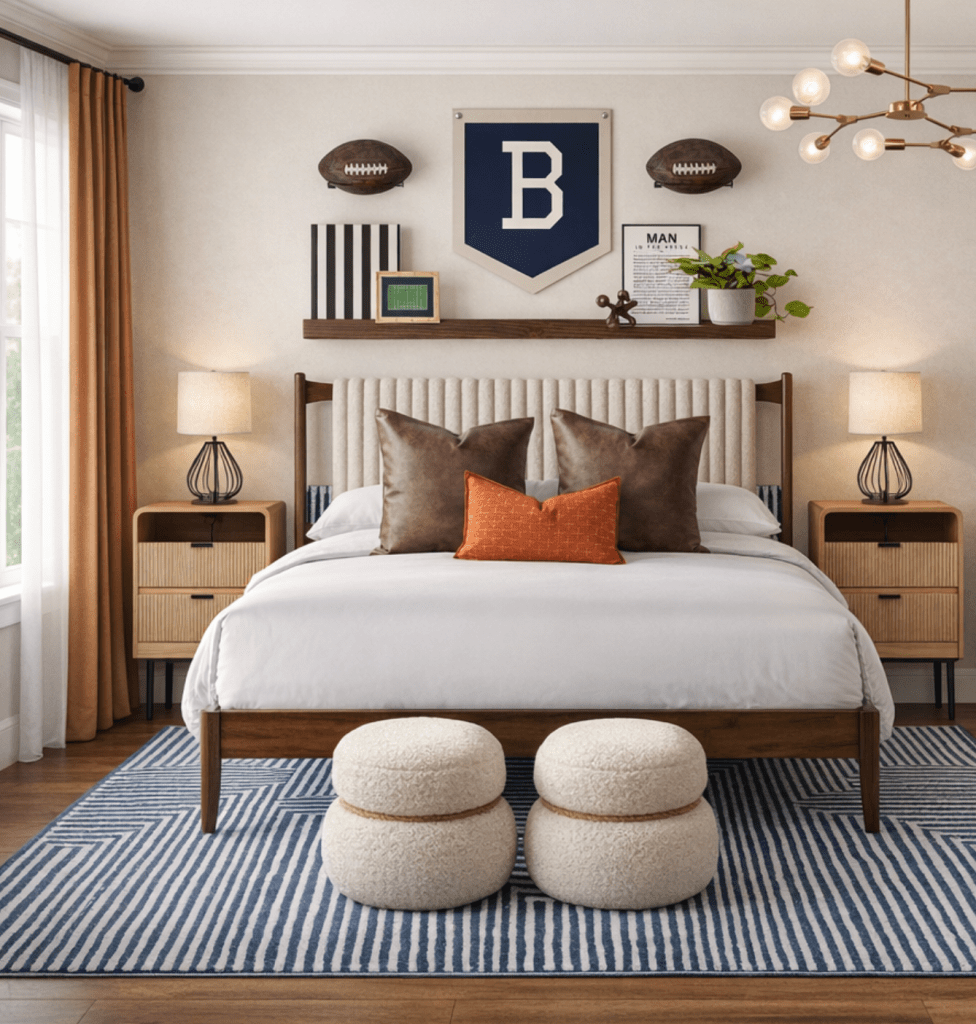
A nursery becomes a toddler’s room. Children grow into school-aged kids with backpacks, sports equipment, and ever-changing schedules. A guest bedroom becomes a home office. A dining room becomes a homework station. A spare corner becomes the place where a business quietly begins. What once felt functional suddenly feels frustrating. From my own experience, I’ve learned that homes, just like the people who live in them, go through seasons, and sometimes the spaces around us need to evolve as well.
The home you designed for one season may not serve the next
Many of us unknowingly hold our homes to an outdated version of our lives. We continue arranging rooms for the way we used to live instead of the way we live now. Maybe the beautiful guest room is occupied twice a year, while you spend forty hours a week working from a makeshift desk at the kitchen table. Maybe the toy storage solutions that worked when your children were little no longer support school projects and multiplying sports gear. The challenge here isn’t always that your home needs a complete redesign. A lot of times it simply needs permission to adapt.
Designing for real life means paying attention
When I begin working with a client, I’m often less interested in what they want to buy and more interested in how they move through their day. Where do the backpacks land? Where does everyone spend the most time? Which room feels crowded? Which room sits empty? What feels easy and comfortable? What feels harder than it should?
The answers to those questions tell us far more about what a home needs than any trend ever could, because good design isn’t about just creating a picture-perfect room. It’s about creating spaces that support the people living inside them.
Work-from-home changed everything
A few years ago, many homes weren’t designed to accommodate full-time work. Today, that’s a different story. Tell me if any of this sounds and feels familiar: Dining rooms have become offices. Bedrooms have become Zoom backgrounds. Corners of living rooms have become work hubs. For some families, these changes happened overnight and were never fully reconsidered. The result is often a home that feels like it’s constantly competing with itself, where work spills into family spaces, family life spills into work spaces, and neither feels fully supported.
Thoughtful design can help create boundaries without requiring an entirely new home.
It could mean the solution is a dedicated workspace, or maybe better storage. Sometimes it’s simply rearranging a room to support how it’s actually being used. The goal isn’t perfection. As is the case with most things in life, it’s clarity.
Children change homes, too
One of the things I’m reminded of seemingly every day is that children don’t stay in one stage for very long. The home that worked beautifully when they were toddlers won’t necessarily work when they’re ten. The solutions that support elementary school life may need to shift again during the teenage years.
The most successful homes are flexible and they leave room for growth. Put another way, they evolve alongside the families who live in them.
Your home isn’t failing. it’s asking for an update
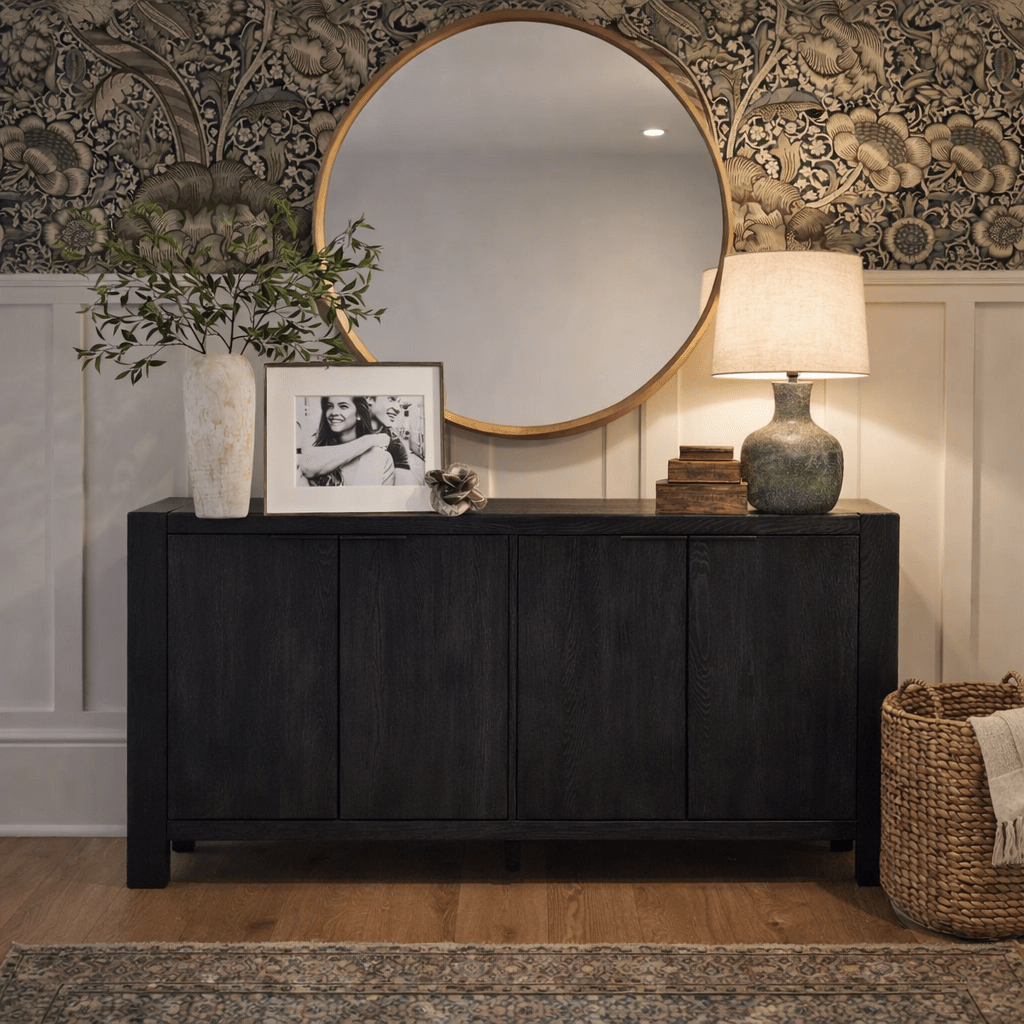
When a space starts feeling frustrating, many people assume they need more square footage, a major renovation, or a complete overhaul. Sometimes that’s true; however, sometimes what they’re experiencing is simply a disconnect between their current life and a home that was designed for a previous season. The answer isn’t always more. It could just mean rethinking what already exists. Maybe a different layout would work better, or a different purpose for a space, or maybe just a different way of seeing a space for what it could be compared to what it used to be.
Home should support the season you’re in
Most importantly, your home should support you in every season. I like to think that the most meaningful homes aren’t frozen in time, but rather they grow with us. They adapt when our careers change, ad they shift when children arrive. They continue to evolve when routines, priorities, and responsibilities look different than they once did. I think that’s important to think through because home isn’t about preserving a perfect version of life. It’s about supporting the life that’s happening right now.
The most powerful design decision you can make is simply allowing your home to change with you.
— Kristin

Leave a comment